Herbal Alternative for Diabetes, Hbp, Insulin resistance, High blood Sugar and Obesity.

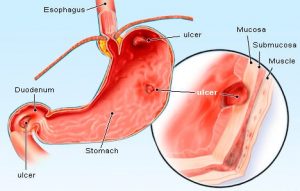
Top Combos For Gastritis, Ulcers and Gut inflammations

Type 1. : Cloves, green teas(decaffeinated) and garlic

Type 2: Cabbage and wheatgrass powder (with this the symptoms reduces within hours of consumption and vanishes within one week).

Wheatgrass is a major anti-inflammatory and can be used to help counteract the effects of stomach ulcers.

Cabbage is a popular natural ulcer remedy, It’s rich in vitamin C, an antioxidant shown to help prevent and treat H. pylori infections. These infections are the most common cause of stomach ulcers.

Type 3: Licorice

Licorice is a spice native to Asia and the Mediterranean region.

It comes from the dried root of the Glycyrrhiza glabra plant and is a popular traditional herbal medicine used to treat many conditions.

Some studies report that licorice root may have ulcer-preventing and ulcer-fighting properties, licorice may stimulate the stomach and intestines to produce more mucus, which helps protect the stomach lining. The extra mucus may also help speed up the healing process and help reduce ulcer-related pain.

Researchers further report that certain compounds found in licorice may prevent the growth of H. pylori. However, studies are generally based on the use of these compounds in supplement form .

Thus, it’s unclear how much dried licorice root someone would need to consume to experience the same beneficial effects.

Note

Dried licorice root should not be confused with licorice-flavored sweets or candy. Licorice candy is unlikely to produce the same effects and is generally very high in sugar.

Additionally, some studies report no effect, so using licorice as an ulcer remedy may not work in all cases.

Warnings

Licorice may also interfere with certain medications and cause side effects, such as muscle pain or numbness in the extremities. Consider speaking to your healthcare practitioner before increasing the licorice content of your diet.
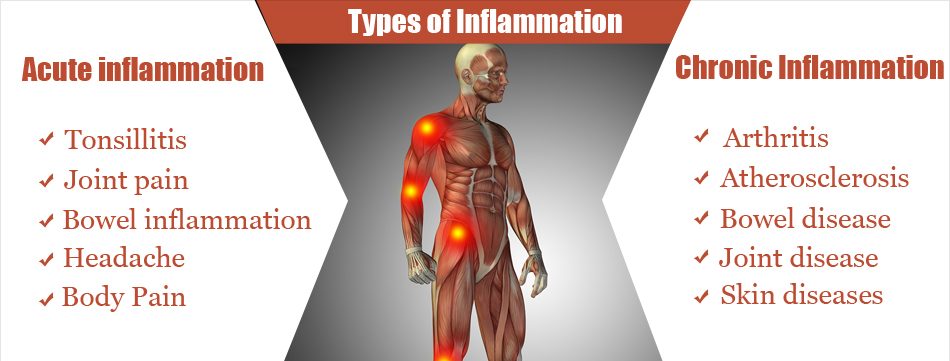
Suffering From Inflammations..! How To Get Rid Of It.

If you can get rid of inflammation, you can get rid of the complications and symptoms of autoimmune diseases, old injuries, and more.

Inflammatory oncotaxis is a phenomenon where cancer tends to spread to areas where you experienced old injuries where there was inflammation.

An old injury could mean many different things, such as food irritation to the colon, damage to the lungs from smoking, damage to the arteries from a high carb diet, or injuries.

The top causes of inflammation:

  1. Lack of cortisol
  2. Allergies
  3. Acute and chronic infections
  4. Gut inflammation (gut issues or inflammatory foods)
  5. Glucose/sugar
  6. Fat cells
  7. Old injuries
  8. Problems in the bile ducts
  9. Low vitamin D
  10. High omega-6 and low omega-3
  11. Environmental toxins
  12. Frequent eating
  13. Too much iron

How to get rid of inflammation:

  • Take antibacterial herbs
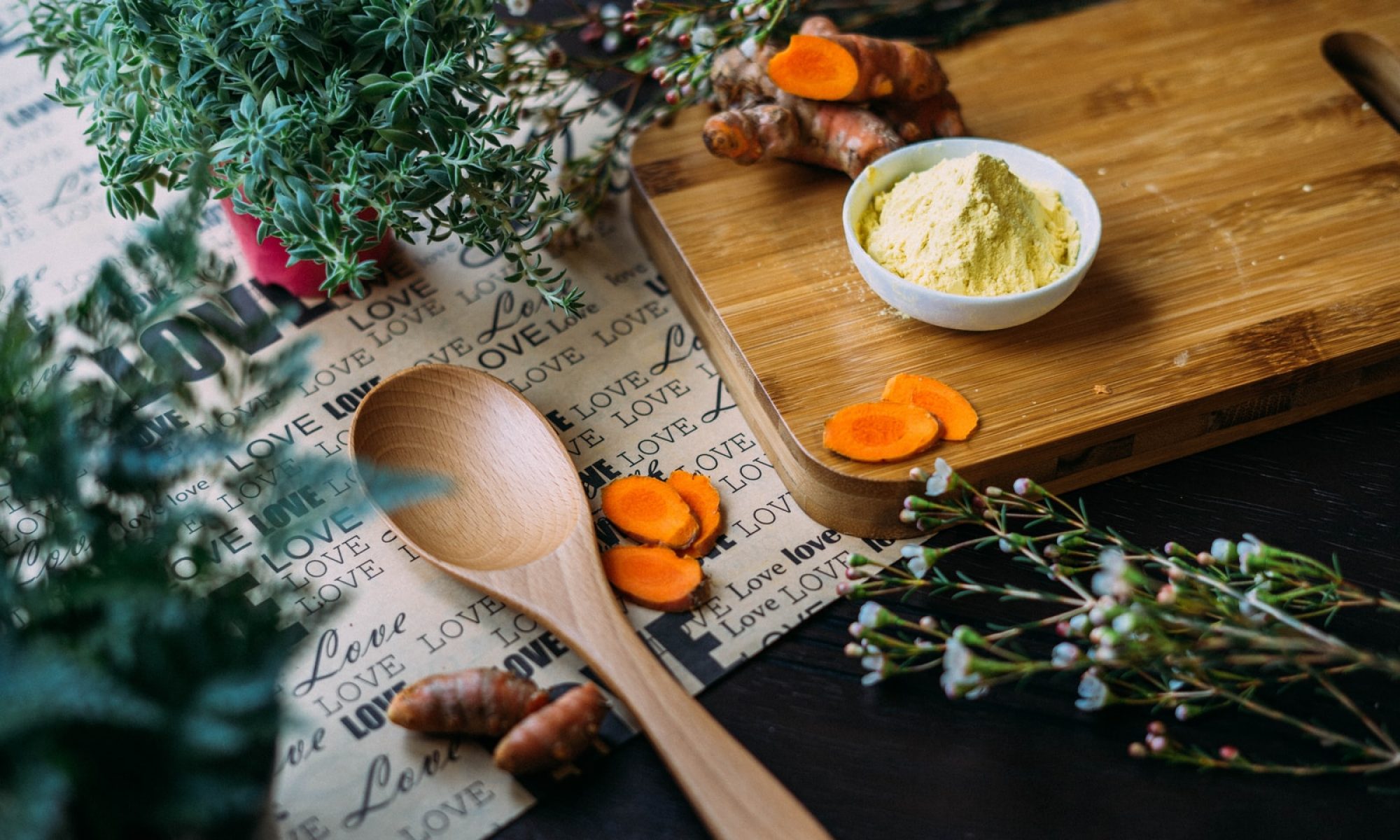
  • Take turmeric
  • Take stinging nettle root
  • Take purified bile salts
  • Get plenty of vitamin D3 and vitamin K2
  • Avoid flaring up allergies
  • Take vitamin C
  • Take zinc l-carnosine
  • Take vitamin E (tocotrienols)
  • Get on a low-carb diet
  • Do intermittent fasting and periodic prolonged fasting
  • Increase omega-3 fatty acids and decrease omega-6 fatty acids (flaxseed powder)
  • Monitor your iron levels

Dry V During s3x….. Looking For Ways To Rev-Up Libido.


Try this super combo….!

If you’re looking to rev up your sex drive, adding ginger and cloves to your diet may be a good option.

In fact, research suggests that it could increase blood flow, reduce oxidative stress, and enhance fertility among both men and women.

Bonus:  Menstral Pain/Cramps Remedy

Try grating a small piece of ginger, or 1 teaspoon of dried ginger powder into hot water for a warm cramp-relieving drink. Ginger is as effective as ibuprofen. Ginger does not have any side effect, while Ibuprofen causes stomach ulcers.


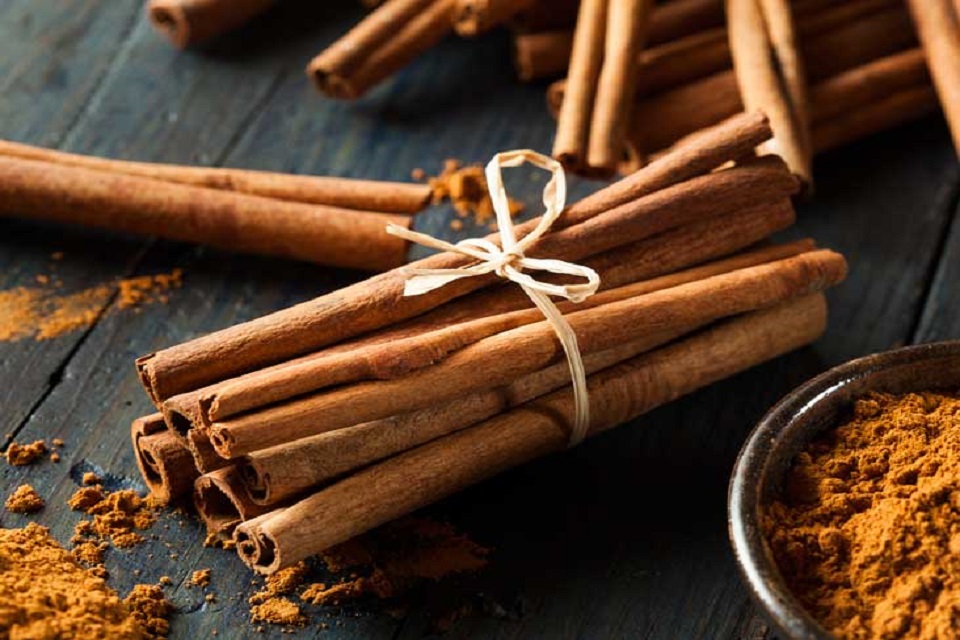
CINNAMON, #1 Of World’s Most Powerful Antioxidant

It has been used as an ingredient throughout history, dating back as far as Ancient Egypt. It used to be rare and valuable and was regarded as a gift fit for kings. These days, cinnamon is cheap, available in every supermarket and found as an ingredient in various foods and recipes.

There are two main types of cinnamon

  1. Ceylon cinnamon: Also known as “true” cinnamon. (THE BEST)
  2. Cassia cinnamon: The more common variety today and what people generally refer to as “cinnamon.” (NOT SO GOOD, MAJORLY FOUND IN ABOKI STORES)

Cinnamon is made by cutting the stems of cinnamon trees. The inner bark is then extracted and the woody parts removed. When it dries, it forms strips that curl into rolls, called cinnamon sticks. These sticks can be ground to form cinnamon powder. The distinct smell and flavor of cinnamon are due to the oily part, which is very high in the compound cinnamaldehyde. Scientists believe that this compound is responsible for most of cinnamon’s powerful effects on health and metabolism.

WHY YOU SHOULD ADD CINNAMON TO YOUR DIET.   

  1. Cinnamon Is Loaded With Antioxidants

Antioxidants protect your body from oxidative damage caused by free radicals. Cinnamon is loaded with powerful antioxidants, such as polyphenols. In a study that compared the antioxidant activity of 26 spices, cinnamon wound up as the clear winner, even outranking “superfoods” like garlic and oregano. In fact, it is so powerful that cinnamon can be used as a natural food preservative.

  1. Cinnamon Has Anti-Inflammatory Properties It helps your body fight infections and repair tissue damage.
  2. Cinnamon May Cut the Risk of Heart Disease. Cinnamon has been linked to a reduced risk of heart disease, the world’s most common cause of premature death. In people with type 2 diabetes, 1 gram or about half a teaspoon of cinnamon per day has been shown to have beneficial effects on blood markers. It reduces levels of total cholesterol, “bad” LDL cholesterol and triglycerides, while “good” HDL cholesterol remains stable.
  1. Cinnamon Can Improve Sensitivity to the Hormone Insulin.  Insulin is one of the key hormones that regulate metabolism and energy use. It’s also essential for transporting blood sugar from your bloodstream to your cells. The problem is that many people are resistant to the effects of insulin. This is known as insulin resistance, a hallmark of serious conditions like metabolic syndrome and type 2 diabetes. The good news is that cinnamon can dramatically reduce insulin resistance, helping this important hormone do its job.

6 common mistakes while drinking water.

1. Drinking too much water
Drink water when you’re thirsty. Drinking too much water can even cause dehydration. If you are prone to kidney stones, drink at least 2.5 liters of fluid a day. Different factors determine how much water you need, but it’s important not to have too much.

2. Drinking water too quickly
When you drink water too fast, it can create swelling.

3. Drinking the wrong fluids
Not all fluids hydrate you. Some can even dehydrate you.

4. Drinking while eating
This can weaken your ability to digest foods, especially protein, and could lead to GERD or acid reflux. If you drink while eating, don’t overdo it. It may be better to have something to drink 30 minutes before or after a meal.

5. Drinking cold water
Drinking large amounts of very cold water may inhibit the vagus nerve, which is responsible for digestion. This may be more of an issue for those who already have digestive issues.

6. Drinking tap water
There are chemicals and very small plastics in tap water that are not safe for the body. Get a good water filter to filter that out.

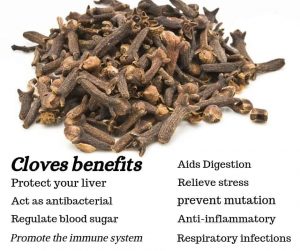
Benefits Of Cloves

Cloves are full of antioxidants. These compounds help your body to fight free radicals, which damage your cells and can lead to disease. By removing free radicals from your system, the antioxidants found in cloves can help reduce your risk of developing heart disease, diabetes, and certain cancers.

Drinking clove water every morning can boost your immune system and protect you against infections and cases of flu. Clove water is an excellent source of healthy vitamins and minerals that can promote your health and immunity. It is also a great source of manganese, vitamin k, vitamin c, calcium, and magnesium.

Nutrition
Cloves provide a significant amount of the mineral manganese. Manganese helps your body manage the enzymes that help repair your bones and produce hormones. Manganese can also act as an antioxidant that protects your body from free radicals.

Cloves are also an excellent source of:

  1. Vitamin K
  2. Potassium
  3. Beta-carotene
  4. Eugenol

#1 Best Backyard Herb for Arthritis (RHEUMATOID, OSTEO & GOUT).

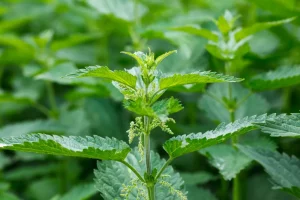
Stinging nettle is the best herb for arthritis. Give it a try to help relieve arthritis pain. I’m going to share the best herb for arthritis. This herb is probably in your backyard and can greatly help with arthritis, muscle pain, or joint pain. The best herb for arthritis is stinging nettle. , stinging nettle has greatly helps reduce inflammation and pain. Stinging nettle is edible and contains a lot of nutrition.

But, for arthritis, you may want to try using it topically. If it’s not already growing near you, consider growing stinging nettle instead of buying a supplement. Stinging nettle root can also be used to help with prostate enlargement, and the leaves can be used to help reduce histamines. Stinging nettle also acts as a natural aromatase inhibitor, so it’s great for those who have too much estrogen. which could result to the following in females: bloating, swelling and tenderness in your breasts, fibrocystic lumps in your breasts, decreased sex drive, irregular menstrual periods etc…. In men: Infertility, Gynecomastia, Erectile dysfunction (ED).
#Arthritis #JointPain #inflammation #bodypain #stingingnettle